Buy respl.com ?
We are moving the project
respl.com .
Are you interested in purchasing the domain
respl.com ?
domain@kv-gmbh.de · 0541-91531010
Buy respl.com ?
Is the intake manifold leaking?
To determine if the intake manifold is leaking, you can perform a visual inspection for any signs of coolant or oil leaks around the intake manifold gasket. Additionally, you can use a smoke machine to pressurize the intake system and look for any smoke escaping from the manifold. Another method is to use a propane torch (with caution) to pass it around the intake manifold while the engine is running and listen for changes in engine speed, which can indicate a vacuum leak. If any of these tests reveal a leak, then the intake manifold may be the source of the issue. **
What is an intake manifold 2?
An intake manifold is a component of an internal combustion engine that distributes air and fuel mixture to the cylinders. It is typically made of metal or plastic and is designed to optimize the flow of the air-fuel mixture to each cylinder. The intake manifold is connected to the throttle body and the cylinder head, and it plays a crucial role in the engine's performance and efficiency. It is an essential part of the engine's intake system, helping to ensure proper air and fuel delivery for combustion. **


Similar search terms for BMW-Intake-Manifold-Gasket
Top-Angebote
Products related to BMW-Intake-Manifold-Gasket:
-
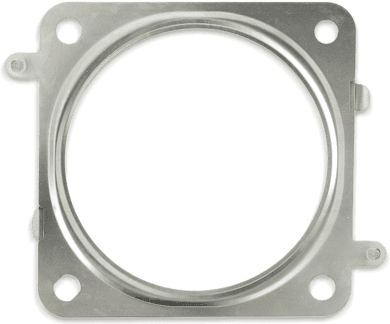
ELRING 884.410 Gasket, intake manifold housingFitting Position: Throttle Housing; Material: HNBR (hydrogenated nitrile butadiene rubber); Goods tariff number: 8409919990; Construction Year to: 11/2014; TecDoc Engine Number: 31251, 35697, 356988,29 £*Shipping: 8,45 £Secure redirect to the provider



-
What causes cracks in the intake manifold?
Cracks in the intake manifold can be caused by a variety of factors, including thermal stress from temperature fluctuations, vibrations from the engine, and pressure changes within the intake system. Additionally, poor maintenance practices, such as over-tightening or improper installation of components, can also contribute to the development of cracks. Age and wear can weaken the material of the intake manifold over time, making it more susceptible to cracking. Regular inspection and maintenance can help prevent cracks from forming in the intake manifold. **
-
Which intake manifold is suitable for the carburetor?
An intake manifold with a single-plane design is typically more suitable for a carburetor setup. This design allows for better distribution of air and fuel mixture to each cylinder, resulting in improved performance. Additionally, a single-plane intake manifold is easier to tune and adjust for optimal carburetor performance compared to a dual-plane manifold. Overall, a single-plane intake manifold is a better choice for carbureted engines looking to maximize power and efficiency. **
-
How do I weld a custom intake manifold?
To weld a custom intake manifold, you will need to first design and fabricate the manifold using the appropriate materials such as aluminum or steel. Once the manifold is fabricated, you will need to clean the surfaces to be welded and ensure a proper fit. Then, using a TIG or MIG welder, you can begin welding the pieces together, being careful to maintain proper heat control and filler rod usage. It is important to take your time and ensure that the welds are strong and free of defects to ensure the integrity of the intake manifold. **
-
What is better: direct injection or intake manifold injection?
Direct injection is generally considered better than intake manifold injection because it allows for more precise fuel delivery, resulting in improved fuel efficiency and power output. Direct injection also reduces the risk of carbon buildup on the intake valves, which can be a common issue with intake manifold injection. Additionally, direct injection allows for better control over the air-fuel mixture, leading to cleaner emissions. Overall, direct injection is the preferred choice for modern engines due to its superior performance and efficiency. **


Does the intake manifold have a crack in the Jetforce?
Yes, the intake manifold in the Jetforce does have a crack. This crack can lead to issues with the engine's performance, such as decreased power and fuel efficiency. It is important to address this issue promptly to prevent further damage to the engine. **
Will a 15 mm intake manifold fit a 12 mm carburetor?
No, a 15 mm intake manifold will not fit a 12 mm carburetor. The intake manifold and carburetor need to have matching sizes to ensure a proper seal and optimal performance. Using a mismatched intake manifold and carburetor can lead to air leaks, poor fuel mixture, and ultimately engine performance issues. It is important to use components that are designed to work together for the best results. **
Top-Angebote
Products related to BMW-Intake-Manifold-Gasket:
-
ELRING 884.410 Gasket, intake manifold housingFitting Position: Throttle Housing; Material: HNBR (hydrogenated nitrile butadiene rubber); Goods tariff number: 8409919990; Construction Year to: 11/2014; TecDoc Engine Number: 31251, 35697, 356988,29 £*Shipping: 8,45 £Secure redirect to the provider
-
Is the intake manifold leaking?
To determine if the intake manifold is leaking, you can perform a visual inspection for any signs of coolant or oil leaks around the intake manifold gasket. Additionally, you can use a smoke machine to pressurize the intake system and look for any smoke escaping from the manifold. Another method is to use a propane torch (with caution) to pass it around the intake manifold while the engine is running and listen for changes in engine speed, which can indicate a vacuum leak. If any of these tests reveal a leak, then the intake manifold may be the source of the issue. **
-
What is an intake manifold 2?
An intake manifold is a component of an internal combustion engine that distributes air and fuel mixture to the cylinders. It is typically made of metal or plastic and is designed to optimize the flow of the air-fuel mixture to each cylinder. The intake manifold is connected to the throttle body and the cylinder head, and it plays a crucial role in the engine's performance and efficiency. It is an essential part of the engine's intake system, helping to ensure proper air and fuel delivery for combustion. **
-
What causes cracks in the intake manifold?
Cracks in the intake manifold can be caused by a variety of factors, including thermal stress from temperature fluctuations, vibrations from the engine, and pressure changes within the intake system. Additionally, poor maintenance practices, such as over-tightening or improper installation of components, can also contribute to the development of cracks. Age and wear can weaken the material of the intake manifold over time, making it more susceptible to cracking. Regular inspection and maintenance can help prevent cracks from forming in the intake manifold. **
-
Which intake manifold is suitable for the carburetor?
An intake manifold with a single-plane design is typically more suitable for a carburetor setup. This design allows for better distribution of air and fuel mixture to each cylinder, resulting in improved performance. Additionally, a single-plane intake manifold is easier to tune and adjust for optimal carburetor performance compared to a dual-plane manifold. Overall, a single-plane intake manifold is a better choice for carbureted engines looking to maximize power and efficiency. **
Similar search terms for BMW-Intake-Manifold-Gasket
-
How do I weld a custom intake manifold?
To weld a custom intake manifold, you will need to first design and fabricate the manifold using the appropriate materials such as aluminum or steel. Once the manifold is fabricated, you will need to clean the surfaces to be welded and ensure a proper fit. Then, using a TIG or MIG welder, you can begin welding the pieces together, being careful to maintain proper heat control and filler rod usage. It is important to take your time and ensure that the welds are strong and free of defects to ensure the integrity of the intake manifold. **
-
What is better: direct injection or intake manifold injection?
Direct injection is generally considered better than intake manifold injection because it allows for more precise fuel delivery, resulting in improved fuel efficiency and power output. Direct injection also reduces the risk of carbon buildup on the intake valves, which can be a common issue with intake manifold injection. Additionally, direct injection allows for better control over the air-fuel mixture, leading to cleaner emissions. Overall, direct injection is the preferred choice for modern engines due to its superior performance and efficiency. **
-
Does the intake manifold have a crack in the Jetforce?
Yes, the intake manifold in the Jetforce does have a crack. This crack can lead to issues with the engine's performance, such as decreased power and fuel efficiency. It is important to address this issue promptly to prevent further damage to the engine. **
-
Will a 15 mm intake manifold fit a 12 mm carburetor?
No, a 15 mm intake manifold will not fit a 12 mm carburetor. The intake manifold and carburetor need to have matching sizes to ensure a proper seal and optimal performance. Using a mismatched intake manifold and carburetor can lead to air leaks, poor fuel mixture, and ultimately engine performance issues. It is important to use components that are designed to work together for the best results. **
* All prices are inclusive of VAT and, if applicable, plus shipping costs. The offer information is based on the details provided by the respective shop and is updated through automated processes. Real-time updates do not occur, so deviations can occur in individual cases. ** Note: Parts of this content were created by AI.