Buy respl.com ?
We are moving the project
respl.com .
Are you interested in purchasing the domain
respl.com ?
domain@kv-gmbh.de · 0541-91531010
Buy respl.com ?
How do I use a hose clamp?
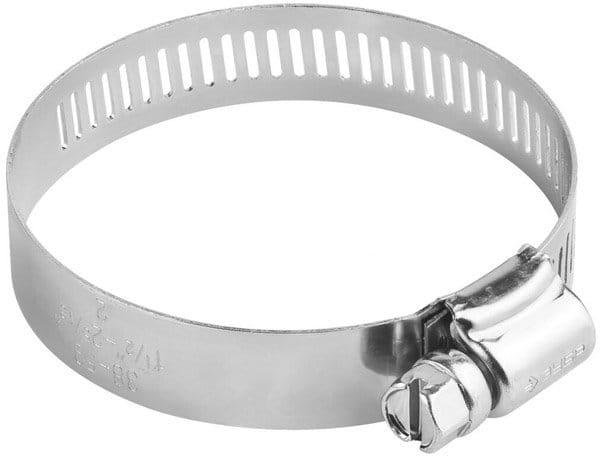
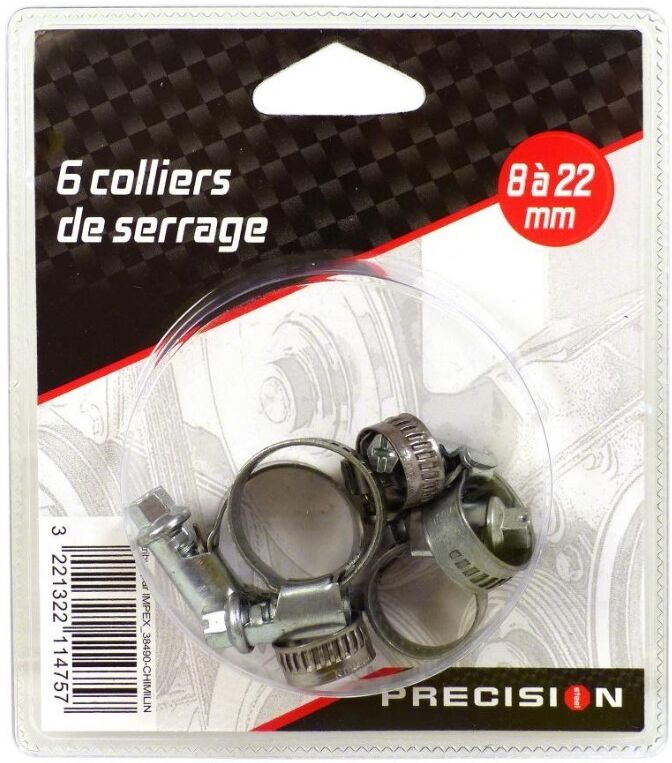
To use a hose clamp, first, slide the clamp over the hose that needs to be secured. Then, using a screwdriver or a nut driver, tighten the clamp by turning the screw or nut in a clockwise direction. Continue tightening until the clamp is securely holding the hose in place. Make sure not to over-tighten the clamp, as this could damage the hose. Once the clamp is secure, the hose is ready for use. **
How can this hose clamp be loosened?
To loosen this hose clamp, you can use a flathead screwdriver or a nut driver to turn the screw in a counterclockwise direction. This will release the tension on the clamp and allow you to slide it off the hose. Be careful not to apply too much force, as you could damage the clamp or the hose. Once the clamp is loosened, you can then slide it off the hose and make any necessary adjustments or repairs. **
Similar search terms for Flexible-Cable-Hose-Clamp
Top-Angebote
Products related to Flexible-Cable-Hose-Clamp:



-
How can one repair a flexible hose?
To repair a flexible hose, you can start by identifying the location of the leak. Once you have located the leak, you can use a hose repair kit or hose mender to fix the damaged area. Cut out the damaged section of the hose and insert the repair kit or mender according to the manufacturer's instructions. Make sure to tighten any clamps or fittings securely to prevent future leaks. **
-
Which cable clamp is correct?
The correct cable clamp depends on the specific application and the size of the cable being used. It is important to choose a cable clamp that is designed to accommodate the size and type of cable being secured. Additionally, the clamp should be made of a material that is suitable for the environment in which it will be used, such as stainless steel for outdoor applications or nylon for indoor use. It is important to carefully consider these factors when selecting the correct cable clamp for a particular application. **
-
What is a hose clamp for the washing machine?
A hose clamp for a washing machine is a small, adjustable metal band that is used to secure the hose connections on the washing machine. It is typically used to prevent leaks by tightly sealing the connection between the hose and the washing machine inlet or outlet. The hose clamp is adjustable, allowing it to fit different sizes of hoses and ensure a secure connection. It is an essential component for maintaining the proper functioning of the washing machine and preventing water leaks. **
-
Why is the hose clamp heavy and not rotatable?
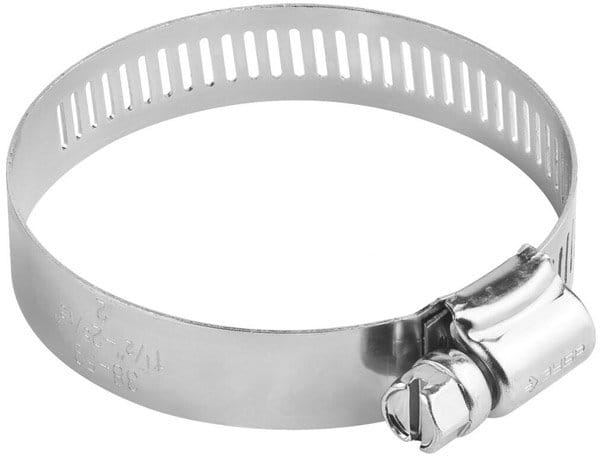
The hose clamp is heavy and not rotatable because it is designed to securely hold the hose in place and prevent it from slipping or leaking. The weight of the clamp helps to provide a strong grip on the hose, while the non-rotatable design ensures that the clamp stays in place once it is tightened. This design is important for maintaining a tight seal and preventing any potential leaks or damage to the hose. **

Is the flexible hose of the sink faucet leaking?
To determine if the flexible hose of the sink faucet is leaking, you can inspect the area around the hose for any signs of water. Look for water droplets, dampness, or pooling water under the sink or around the faucet. You can also run your hand along the length of the hose to feel for any moisture. If you notice any of these signs, it is likely that the flexible hose is leaking and may need to be repaired or replaced. **
"Is the radiator hose torn and leaking at the clamp?"
To determine if the radiator hose is torn and leaking at the clamp, you should visually inspect the hose for any visible tears or damage. Additionally, you can check for any signs of coolant leakage around the clamp area. If there is evidence of a tear or leak, it is important to address the issue promptly to prevent further damage to the cooling system. It may be necessary to replace the hose or tighten the clamp to resolve the issue. **
Top-Angebote
Products related to Flexible-Cable-Hose-Clamp:
-
How do I use a hose clamp?
To use a hose clamp, first, slide the clamp over the hose that needs to be secured. Then, using a screwdriver or a nut driver, tighten the clamp by turning the screw or nut in a clockwise direction. Continue tightening until the clamp is securely holding the hose in place. Make sure not to over-tighten the clamp, as this could damage the hose. Once the clamp is secure, the hose is ready for use. **
-
How can this hose clamp be loosened?
To loosen this hose clamp, you can use a flathead screwdriver or a nut driver to turn the screw in a counterclockwise direction. This will release the tension on the clamp and allow you to slide it off the hose. Be careful not to apply too much force, as you could damage the clamp or the hose. Once the clamp is loosened, you can then slide it off the hose and make any necessary adjustments or repairs. **
-
How can one repair a flexible hose?
To repair a flexible hose, you can start by identifying the location of the leak. Once you have located the leak, you can use a hose repair kit or hose mender to fix the damaged area. Cut out the damaged section of the hose and insert the repair kit or mender according to the manufacturer's instructions. Make sure to tighten any clamps or fittings securely to prevent future leaks. **
-
Which cable clamp is correct?
The correct cable clamp depends on the specific application and the size of the cable being used. It is important to choose a cable clamp that is designed to accommodate the size and type of cable being secured. Additionally, the clamp should be made of a material that is suitable for the environment in which it will be used, such as stainless steel for outdoor applications or nylon for indoor use. It is important to carefully consider these factors when selecting the correct cable clamp for a particular application. **
Similar search terms for Flexible-Cable-Hose-Clamp
-
What is a hose clamp for the washing machine?
A hose clamp for a washing machine is a small, adjustable metal band that is used to secure the hose connections on the washing machine. It is typically used to prevent leaks by tightly sealing the connection between the hose and the washing machine inlet or outlet. The hose clamp is adjustable, allowing it to fit different sizes of hoses and ensure a secure connection. It is an essential component for maintaining the proper functioning of the washing machine and preventing water leaks. **
-
Why is the hose clamp heavy and not rotatable?
The hose clamp is heavy and not rotatable because it is designed to securely hold the hose in place and prevent it from slipping or leaking. The weight of the clamp helps to provide a strong grip on the hose, while the non-rotatable design ensures that the clamp stays in place once it is tightened. This design is important for maintaining a tight seal and preventing any potential leaks or damage to the hose. **
-
Is the flexible hose of the sink faucet leaking?
To determine if the flexible hose of the sink faucet is leaking, you can inspect the area around the hose for any signs of water. Look for water droplets, dampness, or pooling water under the sink or around the faucet. You can also run your hand along the length of the hose to feel for any moisture. If you notice any of these signs, it is likely that the flexible hose is leaking and may need to be repaired or replaced. **
-
"Is the radiator hose torn and leaking at the clamp?"
To determine if the radiator hose is torn and leaking at the clamp, you should visually inspect the hose for any visible tears or damage. Additionally, you can check for any signs of coolant leakage around the clamp area. If there is evidence of a tear or leak, it is important to address the issue promptly to prevent further damage to the cooling system. It may be necessary to replace the hose or tighten the clamp to resolve the issue. **
* All prices are inclusive of VAT and, if applicable, plus shipping costs. The offer information is based on the details provided by the respective shop and is updated through automated processes. Real-time updates do not occur, so deviations can occur in individual cases. ** Note: Parts of this content were created by AI.