Buy respl.com ?
We are moving the project
respl.com .
Are you interested in purchasing the domain
respl.com ?
domain@kv-gmbh.de · 0541-91531010
Buy respl.com ?
What is the difference between luminous flux and high voltage?
Luminous flux is the measure of the total amount of visible light emitted by a light source, measured in lumens. It represents the brightness of the light emitted. On the other hand, high voltage refers to the electrical potential difference between two points in a circuit, measured in volts. High voltage is used to transmit electricity over long distances and is typically found in power lines and electrical systems. In summary, luminous flux measures the brightness of light, while high voltage measures the electrical potential difference in a circuit. **
Why do LED spots only glow despite having voltage?
LED spots only glow despite having voltage because they are designed to emit light when an electric current passes through them in a specific direction. This is due to the semiconductor material used in the LED, which only allows current to flow in one direction, causing the electrons to release energy in the form of light. If the voltage is not sufficient to overcome the forward voltage drop of the LED, it will not emit light. Therefore, even though there may be voltage present, the LED will only glow when the current is flowing in the correct direction and with sufficient voltage. **


Similar search terms for Voltage
Top-Angebote
Products related to Voltage:
-
Digital LED Voltage Gauge For Car Battery & Auto DC Voltage Monitoring Digital LED Voltage Gauge For Car Battery & Auto DC Voltage MonitoringTake control of your vehicle's electrical health with our Digital LED Voltage Gauge. Perfect for car owners and automotive enthusiasts, this voltmeter monitor displays realtime voltage levels for your cars battery and other electrical components....43,97 $*Shipping: 0,00 $Secure redirect to the provider
-
Lipo Battery Voltage Tester With Low Voltage Alarm For RC & Drone Use Lipo Battery Voltage Tester With Low Voltage Alarm For RC & Drone UseKeep your Lipo batteries safe and performing at their best with this Lipo battery tester. Ideal for RC hobbyists, drone enthusiasts, and anyone relying on Lipo power, this product monitors battery voltage, triggering a loud lowvoltage buzzer to...53,97 $*Shipping: 0,00 $Secure redirect to the provider
-
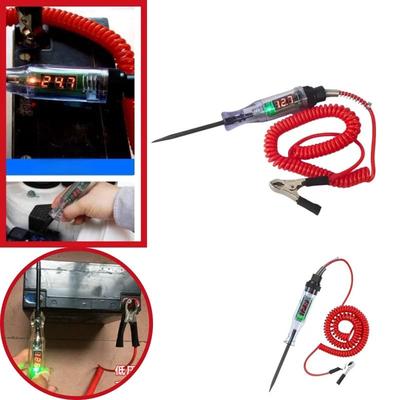
Digital Circuit Voltage Tester Probe Digital Circuit Voltage Tester ProbeProduct Description Diagnose electrical issues quickly and accurately with the Digital Circuit Voltage Tester Probe. Designed for cars and trucks, this easytouse tool features a clear LED display and supports 6V, 12V, and 24V systemsmaking it ideal...44,97 $*Shipping: 0,00 $Secure redirect to the provider
-
Non Contact Voltage Detector Pen Smart AC Voltage Tester For Safe Electrical Detection Non Contact Voltage Detector Pen Smart AC Voltage Tester For Safe Electrical DetectionStay safe and efficient while working with electrical systems with our NonContact Voltage Detector Pen. This essential tool is designed for electricians and DIY enthusiasts to quickly and safely detect AC voltage without direct contact. Featuring...29,97 $*Shipping: 0,00 $Secure redirect to the provider



-
Why do lamps with the same voltage glow differently bright?
Lamps with the same voltage can glow differently bright due to variations in their wattage and efficiency. A higher wattage lamp will produce more light and appear brighter than a lower wattage lamp, even if they are both operating at the same voltage. Additionally, the efficiency of the lamp, which is determined by factors such as the type of bulb and its design, can also impact how brightly it glows. Therefore, lamps with the same voltage can have different brightness levels based on their wattage and efficiency. **
-
Why do lamps with the same voltage shine with different brightness?
Lamps with the same voltage can shine with different brightness due to variations in their wattage or power consumption. A higher wattage lamp will produce more light and shine brighter compared to a lower wattage lamp. Additionally, the type of bulb, its efficiency, and the quality of the materials used can also impact the brightness of the lamp. Therefore, even with the same voltage, these factors can result in differences in brightness among lamps. **
-
How do the rated voltage, nominal voltage, and operating voltage differ?
The rated voltage is the maximum voltage that a device can safely handle without being damaged. The nominal voltage is the standard voltage level at which a device is designed to operate efficiently. The operating voltage is the actual voltage at which a device is currently operating. These three values can differ, with the rated voltage being the highest, followed by the nominal voltage, and the operating voltage fluctuating within a certain range depending on the conditions. **
-
How do medium voltage, high voltage, and extra-high voltage affect the human body?
Medium voltage, high voltage, and extra-high voltage can all have varying effects on the human body depending on the level of exposure. Medium voltage (1kV to 69kV) can cause burns and muscle contractions, high voltage (69kV to 230kV) can lead to severe burns, cardiac arrest, and even death, while extra-high voltage (above 230kV) can result in instant death due to the high levels of electrical energy passing through the body. It is crucial to exercise caution and follow safety protocols when working with or near these voltage levels to prevent any harm to individuals. **


Where can one find the missing voltage difference between battery voltage and consumer voltage?
The missing voltage difference between battery voltage and consumer voltage can be found in the electrical components that make up the circuit between the battery and the consumer. This could include resistors, capacitors, inductors, or other components that may be affecting the voltage. By analyzing the circuit and using techniques such as Kirchhoff's voltage law and Ohm's law, one can identify and calculate the missing voltage difference. Additionally, using a multimeter to measure the voltage at different points in the circuit can help pinpoint where the voltage drop is occurring. **
Why does the voltage tester glow at the output of the car battery charger?
The voltage tester glows at the output of the car battery charger because it is detecting the presence of electrical current. When the battery charger is connected to the car battery and is actively charging it, it generates a flow of electricity. The voltage tester is designed to light up or glow when it comes into contact with an electrical current, indicating that the charger is functioning and delivering power to the battery. **
Top-Angebote
Products related to Voltage:
-
Digital Voltage Meter Voltmeter AC Voltage Tester Digital Voltage Meter Voltmeter AC Voltage TesterStay confident and in control of your electrical environment with a reliable realtime voltage display designed for everyday use. This compact device functions as an AC digital voltage meter, giving you clear visibility of voltage levels directly...39,97 $*Shipping: 0,00 $Secure redirect to the provider
-
Smart Voltage Protection Socket Surge Protector With Adjustable Voltage Cutoff Smart Voltage Protection Socket Surge Protector With Adjustable Voltage CutoffProtect your valuable appliances from unexpected power damage with this intelligent voltage protection socket designed for modern homes. Built for anyone dealing with unstable electricity, it automatically cuts off power during dangerous spikes or...49,97 $*Shipping: 0,00 $Secure redirect to the provider
-
Digital LED Voltage Gauge For Car Battery & Auto DC Voltage Monitoring Digital LED Voltage Gauge For Car Battery & Auto DC Voltage MonitoringTake control of your vehicle's electrical health with our Digital LED Voltage Gauge. Perfect for car owners and automotive enthusiasts, this voltmeter monitor displays realtime voltage levels for your cars battery and other electrical components....43,97 $*Shipping: 0,00 $Secure redirect to the provider
-
Lipo Battery Voltage Tester With Low Voltage Alarm For RC & Drone Use Lipo Battery Voltage Tester With Low Voltage Alarm For RC & Drone UseKeep your Lipo batteries safe and performing at their best with this Lipo battery tester. Ideal for RC hobbyists, drone enthusiasts, and anyone relying on Lipo power, this product monitors battery voltage, triggering a loud lowvoltage buzzer to...53,97 $*Shipping: 0,00 $Secure redirect to the provider
-
What is the difference between luminous flux and high voltage?
Luminous flux is the measure of the total amount of visible light emitted by a light source, measured in lumens. It represents the brightness of the light emitted. On the other hand, high voltage refers to the electrical potential difference between two points in a circuit, measured in volts. High voltage is used to transmit electricity over long distances and is typically found in power lines and electrical systems. In summary, luminous flux measures the brightness of light, while high voltage measures the electrical potential difference in a circuit. **
-
Why do LED spots only glow despite having voltage?
LED spots only glow despite having voltage because they are designed to emit light when an electric current passes through them in a specific direction. This is due to the semiconductor material used in the LED, which only allows current to flow in one direction, causing the electrons to release energy in the form of light. If the voltage is not sufficient to overcome the forward voltage drop of the LED, it will not emit light. Therefore, even though there may be voltage present, the LED will only glow when the current is flowing in the correct direction and with sufficient voltage. **
-
Why do lamps with the same voltage glow differently bright?
Lamps with the same voltage can glow differently bright due to variations in their wattage and efficiency. A higher wattage lamp will produce more light and appear brighter than a lower wattage lamp, even if they are both operating at the same voltage. Additionally, the efficiency of the lamp, which is determined by factors such as the type of bulb and its design, can also impact how brightly it glows. Therefore, lamps with the same voltage can have different brightness levels based on their wattage and efficiency. **
-
Why do lamps with the same voltage shine with different brightness?
Lamps with the same voltage can shine with different brightness due to variations in their wattage or power consumption. A higher wattage lamp will produce more light and shine brighter compared to a lower wattage lamp. Additionally, the type of bulb, its efficiency, and the quality of the materials used can also impact the brightness of the lamp. Therefore, even with the same voltage, these factors can result in differences in brightness among lamps. **
Similar search terms for Voltage
-
Digital Circuit Voltage Tester Probe Digital Circuit Voltage Tester ProbeProduct Description Diagnose electrical issues quickly and accurately with the Digital Circuit Voltage Tester Probe. Designed for cars and trucks, this easytouse tool features a clear LED display and supports 6V, 12V, and 24V systemsmaking it ideal...44,97 $*Shipping: 0,00 $Secure redirect to the provider
-
Non Contact Voltage Detector Pen Smart AC Voltage Tester For Safe Electrical Detection Non Contact Voltage Detector Pen Smart AC Voltage Tester For Safe Electrical DetectionStay safe and efficient while working with electrical systems with our NonContact Voltage Detector Pen. This essential tool is designed for electricians and DIY enthusiasts to quickly and safely detect AC voltage without direct contact. Featuring...29,97 $*Shipping: 0,00 $Secure redirect to the provider
-
Multi Voltage LCD Battery Status Monitor Gauge Waterproof Voltage Meter For Cars, RVs, Boats Multi Voltage LCD Battery Status Monitor Gauge Waterproof Voltage Meter For Cars, RVs, BoatsStay in control of your battery's health with our multivoltage battery status monitor. Whether you're driving your car, powering your RV, or sailing on your boat, this reliable LCD battery gauge ensures you're always aware of your battery's charge....69,97 $*Shipping: 0,00 $Secure redirect to the provider
-
13 Piece Insulated Screwdriver Set With Voltage Tester And High Voltage Protection For Electricians 13 Piece Insulated Screwdriver Set With Voltage Tester And High Voltage Protection For ElectriciansWork with confidence when every connection matters. This electrician screwdriver set is designed for professionals, technicians, and DIY users who need reliable protection while handling electrical tasks. Featuring a highvoltage resistant insulated...64,97 $*Shipping: 0,00 $Secure redirect to the provider
-
How do the rated voltage, nominal voltage, and operating voltage differ?
The rated voltage is the maximum voltage that a device can safely handle without being damaged. The nominal voltage is the standard voltage level at which a device is designed to operate efficiently. The operating voltage is the actual voltage at which a device is currently operating. These three values can differ, with the rated voltage being the highest, followed by the nominal voltage, and the operating voltage fluctuating within a certain range depending on the conditions. **
-
How do medium voltage, high voltage, and extra-high voltage affect the human body?
Medium voltage, high voltage, and extra-high voltage can all have varying effects on the human body depending on the level of exposure. Medium voltage (1kV to 69kV) can cause burns and muscle contractions, high voltage (69kV to 230kV) can lead to severe burns, cardiac arrest, and even death, while extra-high voltage (above 230kV) can result in instant death due to the high levels of electrical energy passing through the body. It is crucial to exercise caution and follow safety protocols when working with or near these voltage levels to prevent any harm to individuals. **
-
Where can one find the missing voltage difference between battery voltage and consumer voltage?
The missing voltage difference between battery voltage and consumer voltage can be found in the electrical components that make up the circuit between the battery and the consumer. This could include resistors, capacitors, inductors, or other components that may be affecting the voltage. By analyzing the circuit and using techniques such as Kirchhoff's voltage law and Ohm's law, one can identify and calculate the missing voltage difference. Additionally, using a multimeter to measure the voltage at different points in the circuit can help pinpoint where the voltage drop is occurring. **
-
Why does the voltage tester glow at the output of the car battery charger?
The voltage tester glows at the output of the car battery charger because it is detecting the presence of electrical current. When the battery charger is connected to the car battery and is actively charging it, it generates a flow of electricity. The voltage tester is designed to light up or glow when it comes into contact with an electrical current, indicating that the charger is functioning and delivering power to the battery. **
* All prices are inclusive of VAT and, if applicable, plus shipping costs. The offer information is based on the details provided by the respective shop and is updated through automated processes. Real-time updates do not occur, so deviations can occur in individual cases. ** Note: Parts of this content were created by AI.